High-pressure compressor maintenance is not only a service cost. For operators filling breathing-air cylinders, it directly affects equipment availability, operating discipline and the ability to investigate an issue before it becomes a shutdown. A practical maintenance plan protects the compressor, but it also gives the team a repeatable way to check intake conditions, condensate management, consumables and records.
This guide is written for buyers and operators of high-pressure breathing-air systems used for scuba diving, SCBA support, marine work and industrial projects. It is not a replacement for the operating manual for a specific model. The manufacturer service schedule, local safety requirements and the application must always determine the final interval and procedure.
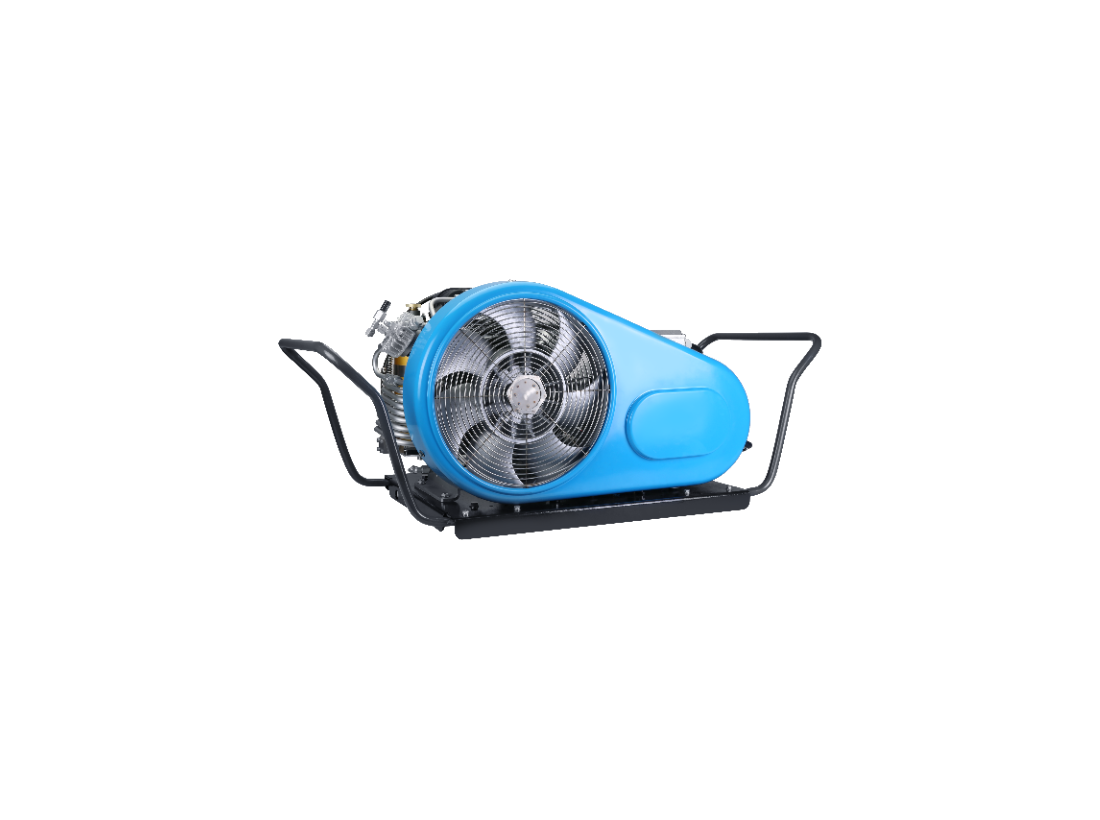
Why high-pressure compressor maintenance matters
A compressor can appear to run normally while small issues are developing. A contaminated intake area, overdue consumables, moisture that is not drained correctly or an unexplained temperature change can all lead to lost operating time. When the compressor supports diving or SCBA cylinder filling, the consequences of poor discipline are more serious than a delayed production task.
The most useful approach is to separate checks into three layers: routine operator checks, scheduled service work and documented air-quality verification where the application requires it. This prevents a common mistake: treating every job as an emergency repair instead of identifying changes early.
Daily pre-start checklist
Before starting a high-pressure compressor, the operator should inspect the machine and its working area. The check should be short enough to perform consistently, but specific enough to catch obvious changes.
- Inspect the intake area. Keep it away from vehicle exhaust, solvent vapour, dust, fuel handling and other possible contamination sources. Clean air starts with a clean intake location.
- Check fluid level and visible leaks. Follow the model manual for the correct oil type, level and inspection method. Do not top up with an unapproved lubricant.
- Look at hoses, fittings and guards. Check for rubbing, damage, loose fasteners or abnormal hose routing before pressurising the system.
- Confirm drains and separators are ready. Condensate management is part of normal operation, not an optional end-of-day task.
- Review the previous log entry. A repeat note about heat, vibration, noise or a slow fill should be investigated rather than copied forward.
Checks during a filling shift
During operation, the goal is to notice changes from the machine’s normal behaviour. Operators should use the drain points and intervals specified in the manual, observe temperature and pressure behaviour, and stop to inspect anything that is clearly abnormal. A high-pressure system is not the place to keep running in the hope that a new sound will disappear.
For sites with repeated daily fills, assign responsibility for each shift. The person filling cylinders should know who owns the log, who can approve a service stop and where replacement consumables are stored. This is especially useful for a breathing-air compressor installed at a dive centre, fire station or marine service point where several people may use the equipment.
Weekly inspection points
A weekly inspection gives the team time to look beyond the visible pre-start checks. The exact list varies by configuration, but the following items should be reviewed against the machine documentation:
- Condition of the intake filter and the cleanliness of the surrounding air path.
- Drive components, fasteners, mounts and any signs of belt wear where applicable.
- High-pressure hoses, filling connections, gauges and safety-related fittings.
- Drain valves, automatic drain operation and evidence of water or oil carryover.
- Cooling surfaces and ventilation clearance around the compressor.
- Operating log entries that show a trend instead of a one-time event.
Do not use a generic calendar alone for consumable replacement. A clean, lightly used system and a compressor working in a hot, humid or dusty environment do not age the same way. The model-specific manual and real workload should set the service decision.
Plan consumables before they become an urgent order
Filters, separator elements, lubricants, belts, seals and other wear parts are easier to manage when they are identified before a site needs them. Keep the correct part number, machine serial or product number, last replacement date and next planned review together in the service record. This makes supplier communication much faster and avoids ordering a part based only on a photograph or a similar-looking model.
For a new installation or a distributor service plan, prepare a basic spare-parts list with the equipment supplier. BUENAIR’s accessories and maintenance parts page is a useful starting point for discussing common service items, while the final list should match the purchased configuration.
Air quality: verify, do not assume
Breathing-air applications need more than a mechanically healthy compressor. The intake environment, purification configuration, consumable condition and operating procedure all influence the final result. Where air-quality testing is required by the application, customer specification or local regulation, arrange testing through the appropriate qualified process and retain the records with the maintenance log.
Do not claim a particular standard based only on the compressor pressure or the appearance of the filtration system. The correct evidence is the applicable test, the documented configuration and the operating conditions. Buyers who need project documents can also review the available certificates and inspection information before finalising their requirement list.
Match maintenance planning to compressor workload
Maintenance planning starts with the same questions used to select the machine: pressure, required flow, expected daily fills, cylinder volume, ambient conditions and power supply. A portable unit used occasionally has a different service pattern from a stationary system supporting repeated fills every day.
For example, a mid-capacity model such as the B25H30 high-pressure compressor may suit regular filling work where a documented routine is important. A higher-flow stationary system such as the B68V68 compressor requires the same discipline, but the consequences of unplanned downtime can be greater because it often supports a heavier workload. The correct recommendation is based on the full application, not only the maximum pressure shown on a specification sheet.
A simple maintenance record template
A maintenance record does not need to be complicated. It needs to make changes visible. For each check or service event, record:
- Date, operator and machine identification.
- Operating hours or the site’s chosen workload reference.
- Items inspected and consumables replaced.
- Observations such as unusual heat, vibration, sound, drain condition or fill time.
- Corrective action, parts used and the person who approved the return to service.
Over time, this record becomes a practical decision tool. It helps an operator identify a recurring condition, helps a distributor prepare the correct parts and gives a project buyer a clearer picture of how the equipment is being maintained.
Frequently asked questions
How often should a high-pressure compressor be serviced?
Use the interval in the model-specific manual and adjust the service planning for real workload and environment. There is no single hour interval that is correct for every compressor, intake condition or application.
Can an operator replace filters and oil without technical support?
Only perform work that is permitted by the manual and the operator’s training. Use approved consumables, follow the specified procedure and document the work. Escalate unfamiliar faults, pressure-system repairs and safety-related concerns to qualified personnel.
What is the most common maintenance mistake?
Waiting for a visible failure before checking records, consumables and the intake environment. Small repeated observations are usually easier to address than an unplanned shutdown.
What information should be included in a spare-parts enquiry?
Provide the compressor model, serial or product number, configuration, photographs of the relevant part if available, the part number when known and a description of the service task. This helps the supplier confirm compatibility quickly.
Build maintenance into the buying decision
A high-pressure compressor should be evaluated as a working system, not only as a flow-and-pressure number. Before requesting a quotation, define the application, filling workload, service capability, documentation needs and spare-parts plan. For help matching a model and maintenance approach to your project, contact BUENAIR with the required pressure, flow, cylinder type and expected operating pattern.