Choosing between a 300 bar and 350 bar breathing-air compressor is not simply a matter of selecting the higher number. The correct choice depends on the working pressure of the cylinders being filled, the application, the required fill volume, the operating pattern and the documentation expected by the buyer. A pressure mismatch can create unnecessary filling time, operational limits or avoidable cost.
This guide gives buyers a practical way to compare 300 bar and 350 bar compressor options for scuba diving, SCBA support, marine service and high-pressure air projects. The final configuration should always be confirmed against the cylinder specification, local requirements and the compressor manufacturer's technical documentation.
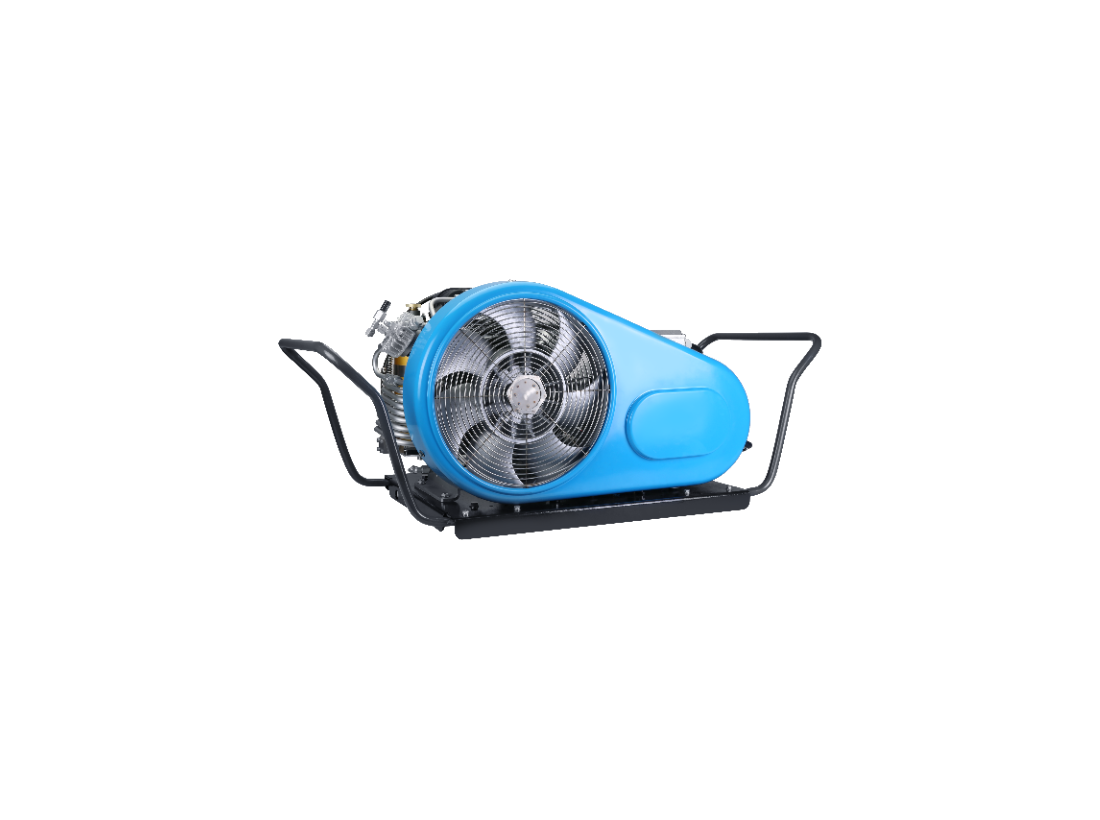
Start with the cylinder working pressure
The first question is not "Which pressure is better?" It is "Which pressure does the receiving cylinder require?" Check the cylinder marking, filling procedure and the project specification before requesting a compressor quotation. A compressor should be selected to fill the intended cylinders safely and consistently, rather than to provide a pressure number that will not be used.
For a buyer comparing systems, collect the cylinder volume, working pressure, quantity, expected fills per day and whether the equipment will be used for scuba diving, SCBA, marine work or another application. These details make it possible to match both pressure and output on the breathing-air compressor range.
What changes between 300 bar and 350 bar?
The pressure target affects the final stage of compression, the cylinder filling procedure and the equipment configuration. It does not automatically tell you whether the compressor is suitable for a particular workload. Two buyers may both request a 350 bar machine, while one needs a compact unit for occasional diving cylinders and the other needs a stationary system for repeated daily fills.
| Selection point | What to confirm |
|---|---|
| Cylinder requirement | Working pressure, approved filling procedure and the cylinder manufacturer's instructions. |
| Daily workload | Number of cylinders, cylinder volume, target fill level and the time available between fills. |
| Compressor flow | Choose a flow rate that supports the actual workload rather than relying on pressure alone. |
| Air-quality process | Intake location, purification configuration, maintenance routine and any required verification process. |
| Service support | Consumables, spare parts, operator training and the site record system. |
Pressure does not replace flow rate
Pressure describes the target condition. Flow rate influences how long the filling work takes. A small team may prefer a portable unit because its workload is occasional and mobility is important. A fire station, dive centre or service workshop may need more flow because it fills repeatedly and cannot accept long queues or extended downtime.
For regular mid-capacity work, the B25H30 high-pressure compressor is a useful model to discuss with the supplier. For a heavier stationary workload, a system such as the B68V68 stationary compressor may be more appropriate. The final selection should be based on the full duty cycle, power supply and site conditions.
Questions to ask before ordering
- Which cylinders will be filled, and what is their approved working pressure?
- How many cylinders are filled during a normal day or shift?
- Is the compressor portable, vehicle-mounted or installed in a fixed filling area?
- What electrical supply, ventilation and intake location are available at the site?
- Which certificates, test records or project documents are required by the buyer?
- Who will perform routine checks and order maintenance parts?
These questions also prevent buyers from comparing machines only by price. A lower initial price can lose value quickly if the compressor cannot meet the actual filling pattern or if the site has no plan for filters, separator elements and routine service. Review the available accessories and maintenance parts when building the spare-parts plan.
Air quality and maintenance are part of the decision
For breathing-air applications, correct pressure is only one part of the operating system. The intake environment, filtration configuration, condensate management and consumable replacement routine all matter. Where testing or specific documentation is required, confirm the process before purchase and retain the records after installation.
A useful companion guide is the high-pressure compressor maintenance checklist. It explains how daily checks, planned consumables and a clear service record help reduce unplanned downtime.
300 bar vs 350 bar FAQ
Is a 350 bar compressor always better?
No. The best choice is the one that matches the cylinder requirement and operating workload. Extra pressure that is not needed does not solve an undersized flow rate, poor intake location or missing service support.
Can one compressor fill different cylinder types?
That depends on the compressor configuration, filling panel, cylinder requirements and approved procedure. Confirm the intended cylinder range with the equipment supplier before ordering.
What information should be included in a quotation request?
Send the application, target pressure, cylinder volume and quantity, expected fills per day, preferred power supply, installation location and any documentation requirement. This gives the supplier enough information to recommend a suitable system.
Make the selection with the whole system in mind
A pressure comparison is most useful when it leads to a complete operating plan. Define the cylinders, workload, flow requirement, service process and documentation needs before selecting a model. For a scuba-focused selection process, also read how to choose a scuba compressor. For model advice, contact BUENAIR with the project details.